
AI workloads are driving higher power densities and fundamentally changing the requirements for air cooling in data centers. Operators and designers are increasingly facing uncertainty: Is air cooling still sufficient? How much airflow is realistically achievable? And how do rising loads and changing operating profiles affect cooling concepts in both greenfield and brownfield projects? This uncertainty is clearly reflected in daily project work through a growing number of design iterations, system comparisons, and operating point evaluations.
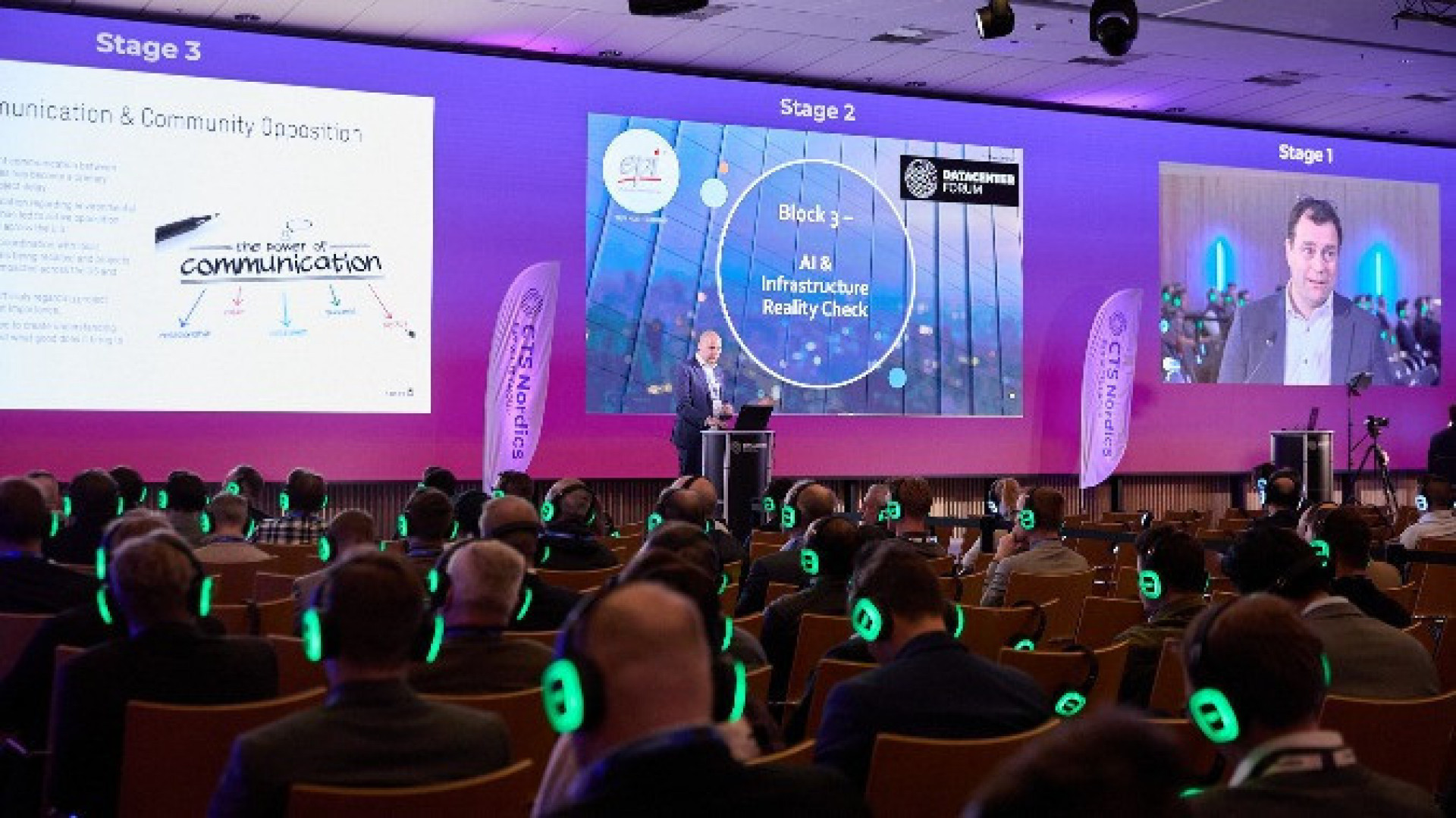
This presentation explains how AI is actually impacting air cooling in data centers, where the real technical and building-related limits are, and which room-based air cooling concepts are viable today. It also places liquid cooling in context, showing why air cooling remains essential for handling residual heat, infrastructure layout, and space utilization. Based on a real project example, the session demonstrates how cooling concepts can be selected in a structured and practical way, taking into account building constraints, available space, CAPEX, OPEX, and carbon footprint. It shows why air cooling remains a core element of modern data center design, even in the age of AI.
WIth Christoph Loehner & David Schmidt.